

Air Fryer Smoky BBQ Pork Ribs
Pork ribs are one of those foods that people assume need a smoker, a whole afternoon, and a backyard full of equipment. I thought so too, until I tried them in the air fryer on a whim one rainy Saturday, when the barbecue was out of the question and I had a rack of baby backs in the fridge that needed using. An hour later I was pulling meat off the bone with my fingers, sticky sauce on my chin, wondering why I had waited so long to try it.
The air fryer turns out to be almost unfairly good at ribs. The small, hot space circulates heat around the meat in a way that a big oven cannot match, and the result is ribs that are tender inside with a sticky, caramelised outside. A short steam in foil first gets the meat tender, and a final blast in the basket with the glaze does the rest. No smoker, no charcoal, no babysitting a fire for six hours. Just a rack of ribs, a spice rub, and a little patience.
These are baby back ribs, which are the right choice for the air fryer because they are leaner, shorter, and cook faster than spare ribs. The rub is simple and smoky: smoked paprika, garlic, onion, brown sugar, mustard powder, salt and pepper. The glaze is a quick homemade barbecue sauce built on tomato ketchup, honey, soy sauce, vinegar and a little chilli. It is sticky without being cloying, and it clings to the ribs the way a good glaze should.
What I like most about this recipe is how little active work it involves. Ten minutes to trim the ribs and mix the rub, then the air fryer does the rest while you make the coleslaw and warm the corn. It is the kind of cooking that feels like a treat but fits into an ordinary evening, and it is the recipe I reach for when I want barbecue flavour without making a day of it.
Why These Air Fryer Ribs Work So Well
The two-stage method is the whole secret. First, the ribs cook wrapped in foil, which traps steam and gently breaks down the connective tissue that makes ribs tough. That is the step that gives you tender meat that pulls cleanly from the bone. Then the foil comes off, the glaze goes on, and the ribs finish unwrapped in the hot air, which is what builds the sticky, caramelised crust. Skip the foil stage and the ribs dry out. Skip the unwrapped finish and they taste steamed instead of barbecued.
Removing the membrane matters more than most people expect. There is a thin, silvery skin on the bone side of every rack, and if you leave it on, it turns tough and chewy in the air fryer and stops the rub from reaching the meat. It takes thirty seconds to peel off with the help of a piece of kitchen paper for grip, and it makes a real difference to the finished ribs. If you have never done it before, slide a butter knife under the membrane at one end, lift it, then grip it with kitchen paper and pull. It usually comes off in one piece.
The size of the air fryer matters too, and it is worth being honest about it. A standard basket fits a rack of baby backs cut into two or three pieces, which is exactly what this recipe does. If your air fryer is small, cut the rack into individual ribs or shorter sections and cook in two batches. Crowding the basket is the one mistake that will genuinely hurt the result, because the hot air needs room to circulate. Give the ribs space and they will reward you.
Ingredients
Buy baby back ribs if you can, because they are the best fit for the air fryer. They are shorter and leaner than spare ribs, they cook faster, and the meat is tender without a long, slow cook. One rack serves two people generously or three with plenty of sides. If you are cooking for a crowd, do two racks in batches and keep the first batch warm in a low oven while the second cooks.
For the ribs and rub:
- 1 rack of baby back pork ribs, about 800 g to 1 kg
- 1 tablespoon smoked paprika
- 1 tablespoon light brown sugar
- 1 teaspoon garlic powder
- 1 teaspoon onion powder
- 1 teaspoon mustard powder
- 1 teaspoon fine sea salt
- 1 teaspoon ground black pepper
- 1/2 teaspoon cayenne pepper, optional
For the barbecue glaze:
- 120 ml tomato ketchup
- 2 tablespoons honey
- 1 tablespoon soy sauce
- 1 tablespoon apple cider vinegar
- 1 teaspoon Worcestershire sauce
- 1/2 teaspoon smoked paprika
- 1/2 teaspoon garlic powder
- A pinch of chilli flakes, optional
To serve:
- 2 spring onions, thinly sliced
- Extra barbecue sauce, for the table
- Coleslaw and corn on the cob, optional
A quick note on the sugar in the rub: brown sugar helps the outside of the ribs caramelise and pick up colour, but it also burns if the heat is too high. That is why we cook the ribs at 160°C for most of the time and only raise the heat for the final glaze. If your air fryer runs hot, drop the temperature by ten degrees and add a few minutes to the cooking time.
How to Make Air Fryer Smoky BBQ Pork Ribs
Start by preparing the ribs. Turn the rack bone-side up and look for the thin, silvery membrane covering the bones. Slide a butter knife under it at one end, lift a corner, then grip it with a piece of kitchen paper and pull it off in one steady motion. It usually comes away in one or two pieces. If it tears, just pick up the next piece and carry on. Pat the ribs dry with kitchen paper, then cut the rack into two or three pieces that fit comfortably in your air fryer basket without overlapping.
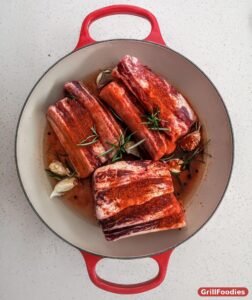
Mix the rub in a small bowl. Stir together the smoked paprika, brown sugar, garlic powder, onion powder, mustard powder, salt, black pepper and cayenne, if you are using it, until the colour is even and there are no clumps of sugar left. Sprinkle the rub over both sides of the ribs and press it in lightly with your hands so it sticks. You can cook the ribs straight away, but if you have thirty minutes, leave them in the fridge uncovered for the rub to settle. It is a small wait that pays off in flavour.
- Make the glaze while the ribs rest. Put the ketchup, honey, soy sauce, vinegar, Worcestershire sauce, smoked paprika, garlic powder and chilli flakes, if you are using them, in a small saucepan. Warm it gently over low heat for three to four minutes, stirring, until the honey has dissolved and the sauce is smooth and glossy. Taste it and adjust. More honey if you like it sweeter, more vinegar if you like it sharper. Set it aside.
- Preheat the air fryer to 160°C. Wrap each piece of ribs tightly in foil, making a neat parcel with the seams folded over so the steam stays inside. Place the parcels in the basket in a single layer, leaving a little space between them. Cook for thirty minutes. This is the gentle stage, and it is what makes the meat tender.
- Carefully open the foil parcels, watching for steam, and check the ribs. The meat should have pulled back from the ends of the bones a little, which is a good sign. Brush the ribs generously with the glaze on both sides, then put them back in the basket unwrapped, bone-side down. Raise the temperature to 190°C and cook for ten minutes.
- Brush on another layer of glaze and cook for a further eight to ten minutes, until the outside is sticky, dark and caramelised at the edges. The meat should be tender enough that it pulls away from the bone with a gentle tug, but it should not be falling apart completely. If the glaze is colouring too fast, drop the temperature back to 180°C for the last few minutes.
- Transfer the ribs to a board and let them rest for five minutes before slicing. Resting lets the juices settle and the glaze set slightly, so it stays on the ribs instead of running off onto the board. Slice between the bones into individual ribs, scatter over the spring onions, and serve with extra sauce on the side.
Once you have the method down, it is easy to adapt. For spare ribs, add ten to fifteen minutes to the foil stage, since they are meatier. For a spicier glaze, add a teaspoon of sriracha or a pinch of chipotle powder. And if your air fryer has a grill setting, use it for the last three minutes to get an extra char on the glaze. Just watch it closely, because sugar goes from caramelised to burnt very quickly at high heat.
Tips for the Best Air Fryer Ribs
Do not skip removing the membrane. It is the single most common reason homemade ribs turn out chewy, and it takes less than a minute once you know how. A piece of kitchen paper gives you the grip you need, and the membrane usually comes off in one satisfying pull. If you buy your ribs from a butcher, you can ask them to remove it for you, and most will happily do it.
Keep the temperature low for the long stage. The foil stage at 160°C is what tenderises the meat, and rushing it at a higher temperature will dry the ribs out before they have had time to soften. The air fryer is efficient, but connective tissue still needs time and gentle heat to break down. Thirty minutes in foil is the minimum. If your rack is particularly thick, give it thirty-five.
Glaze in layers, not all at once. One thick coat of sauce will slide off and pool in the basket, while two or three thin layers, brushed on between short bursts of high heat, build up into a proper sticky crust. Think of it like painting: thin coats, dried between layers, give you the best finish. The Great British Chefs barbecue ribs recipe uses the same layering idea with a sticky glaze, and it is a useful reference for how the sauce should look when it is ready.
Do not crowd the basket. The air fryer works by circulating hot air, and if the ribs are piled on top of each other, the air cannot reach the meat evenly. Cook in batches if you need to, and keep the first batch warm in a low oven at 100°C, loosely tented with foil. It is better to cook two relaxed batches than one crowded one.
Check for doneness by feel, not just by time. The ribs are ready when the meat has pulled back from the bone ends by about a centimetre and a gentle tug pulls a rib cleanly away. A thermometer is less useful here than with chicken, because the bones and the thin meat make it hard to get a reliable reading. Trust the pull-back and the tug test, and you will not go far wrong.
Serving Ideas
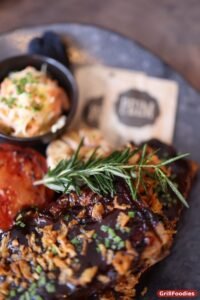
These ribs are at their best served simply, piled on a board in the middle of the table with a bowl of coleslaw, some corn on the cob, and extra sauce for anyone who wants more. It is hands-on food, so put out plenty of napkins and do not worry about being neat. A cold beer or a glass of iced tea is the natural drink, and a big bowl of smoky baked beans with bacon on the side makes it a proper barbecue plate.
For a lighter meal, serve the ribs with a crisp green salad and a simple vinegar slaw instead of the creamy kind. The sharpness of the vinegar cuts through the richness of the glaze, and it keeps the plate from feeling too heavy. If you are feeding a crowd, add a tray of air fryer roasted corn ribs and a basket of warm bread rolls, and you have a spread that will keep everyone happy.
Leftovers are excellent the next day, and the meat is arguably better once it has had a night in the fridge. Shred the meat off the bones and pile it into a toasted roll with coleslaw for a rib sandwich, or chop it into fried rice, or scatter it over nachos with melted cheese. The glaze keeps the meat moist, so it reheats well. If you are planning a full barbecue menu, these ribs sit happily next to our grilled BBQ chicken breast with smoky rub without competing with it, since the flavours are quite different.
For a weeknight version when time is short, you can skip the foil stage and cook the ribs unwrapped at 160°C for twenty-five minutes, then glaze and finish at 190°C. They will not be quite as tender, but they will still be very good, and the whole thing is on the table in under forty minutes.
Storage and Make-Ahead
Cooked ribs keep well in the fridge for three to four days in an airtight container. Let them cool completely before you put the lid on, and store any extra glaze separately so the ribs do not go soggy. To reheat, warm them in the air fryer at 160°C for six to eight minutes, brushing on a little extra glaze halfway through. The air fryer is the best reheating method here, because it crisps the outside back up in a way the microwave never will.
You can also freeze cooked ribs for up to three months. Wrap the pieces tightly in cling film, then place them in a freezer bag, squeezing out as much air as you can. Thaw overnight in the fridge and reheat in the air fryer as above. The texture will not be quite as perfect as freshly cooked, but sliced into sandwiches or stirred into rice, they are still excellent.
The rub can be made ahead in a larger batch and stored in a sealed jar in a cool, dark cupboard for up to three months. Make double or triple the quantities, label the jar, and you will have smoky rub ready whenever you need it. The glaze also keeps for up to a week in the fridge in a sealed jar, and it is lovely on chicken wings and grilled vegetables too.
Variations to Try
For a sweeter, stickier glaze, add an extra tablespoon of honey and a tablespoon of brown sugar to the sauce, and finish the ribs with a sprinkle of toasted sesame seeds. The sweetness suits the smoke beautifully, and the sesame adds a little crunch. For a hotter version, add a teaspoon of chipotle powder to the rub and a spoonful of sriracha to the glaze. The heat builds slowly and lingers, which is exactly what you want with rich pork.
For a mustard-based glaze, swap the ketchup for Dijon mustard, keep the honey and vinegar, and add a teaspoon of smoked paprika. It is tangier and lighter than the tomato version, and it works particularly well with the fattier spare ribs. For a fruity twist, add two tablespoons of apple sauce to the glaze, which gives it a gentle sweetness and a little extra body.
If you prefer spare ribs, use the same method but add ten to fifteen minutes to the foil stage, since they are thicker and meatier. Check for the same pull-back from the bone ends before you move on to glazing. And if you have a smoker, you can smoke the ribs for an hour first, then finish them in the air fryer with the glaze. It is the best of both worlds, and it is the method I use when I have the time and the weather is kind.
Frequently Asked Questions
How long do pork ribs take in the air fryer?
For baby back ribs, allow about fifty minutes in total: thirty minutes wrapped in foil at 160°C, then eighteen to twenty minutes unwrapped at 190°C with the glaze. Spare ribs need ten to fifteen minutes more in the foil stage. The exact time depends on the thickness of your rack and the size of your air fryer, so check for the meat pulling back from the bone ends as your guide.
Should I remove the membrane from pork ribs?
Yes, always. The membrane is a thin, silvery skin on the bone side of the rack, and if you leave it on, it turns tough and chewy and stops the rub from reaching the meat. Slide a butter knife under it at one end, grip it with kitchen paper, and pull it off in one steady motion. It takes less than a minute and it makes a real difference.
Can I use spare ribs instead of baby backs?
You can, and they are delicious, but they are meatier and need a longer cook. Add ten to fifteen minutes to the foil stage and check for the same pull-back from the bone ends before glazing. Spare ribs have a little more fat, which keeps them juicy, and they are often cheaper, so they are a good choice if you are feeding a crowd.
Why are my air fryer ribs dry?
The most common reasons are cooking at too high a temperature for too long, skipping the foil stage, or crowding the basket. The foil stage at 160°C is what keeps the meat moist while it tenderises, so do not skip it. Keep the temperature low for the long stage, give the ribs space in the basket, and rest them for five minutes before slicing. For more detail on getting ribs tender, the British Dietetic Association barbecue pork ribs guide is a useful reference.
Can I make the glaze ahead of time?
Yes, the glaze keeps for up to a week in the fridge in a sealed jar. Warm it gently before brushing it on, so it flows easily and coats the ribs evenly. It is also lovely on chicken wings, grilled vegetables, and even as a dipping sauce for fries, so it earns its place in the fridge quickly.
What should I serve with BBQ pork ribs?
Coleslaw, corn on the cob, and smoky baked beans with bacon are the classic partners, and they all work beautifully with the sticky glaze. For a lighter plate, try a crisp green salad and a vinegar slaw. If you are planning a full barbecue spread, add our air fryer smoky BBQ chicken legs and a basket of warm bread rolls, and the table will look like a proper feast.


One Comment
Pingback: