

Grilled Lemon Garlic Chicken Thighs
Lemon and garlic is one of those flavour combinations that never lets you down, and on grilled chicken thighs it is especially good. The lemon brightens the rich, juicy meat, the garlic turns sweet and mellow over the heat, and the herbs add a fresh, green note that makes the whole plate feel lighter. These grilled lemon garlic chicken thighs are the recipe I make when I want something that tastes like summer, even if the weather has other ideas. They are simple, they are forgiving, and they are the kind of chicken that disappears from the platter before you have even sat down.
Thighs are, in my opinion, the most reliable cut for the grill. They have a little more fat than breast, which means they stay juicy even if you leave them on a minute too long, and they have a deeper flavour that stands up well to strong seasonings. Boneless, skinless thighs are the easiest to work with here, because they cook evenly and quickly, but bone-in, skin-on thighs work too if you are happy to give them a little more time. Either way, the method is the same: a short marinade, a hot grill, and a rest before serving.
The marinade is built from lemon juice and zest, plenty of garlic, olive oil, dried oregano, and a little Dijon mustard. The mustard is not there to make the chicken taste of mustard. It is there to help the marinade cling to the meat and to add a gentle tang that rounds out the lemon. The olive oil carries the flavour into the meat and stops the chicken sticking to the grill. And the lemon zest is just as important as the juice, because the zest holds the fragrant oils that give lemon its real character. If you only use juice, you get sharpness. If you use juice and zest together, you get brightness and depth.
I like to marinate these thighs for at least thirty minutes, and up to four hours if I have the time. Longer than that, and the lemon juice can start to change the texture of the meat, making the surface a little soft. That is worth knowing, because it is one of the few ways this recipe can go wrong. Thirty minutes is plenty for flavour, four hours is the sweet spot if you are planning ahead, and overnight is too long for a lemon marinade. If you want to prep the night before, mix the marinade and keep it separate, then toss the chicken in it in the morning.
Why Chicken Thighs Are Perfect for the Grill
If you have ever worried about overcooking chicken on the grill, thighs are your friend. Their slightly higher fat content gives you a wider margin for error, which means you can focus on getting good colour and flavour instead of watching the clock with anxiety. They also cook quickly when boneless, usually in about twelve to fifteen minutes in total, which makes them ideal for weeknights. And because they are naturally juicy, they do not need a sauce to rescue them afterwards. A squeeze of lemon and a scattering of fresh herbs is enough.
Thighs also take marinades beautifully. The meat is a little more open in texture than breast, so the lemon, garlic, and herbs work their way in quickly. You do not need an overnight soak to get a noticeable difference. Even a short marinade makes the chicken taste seasoned all the way through rather than just on the surface. That is one reason this recipe is so practical. You can decide to make it at five o’clock and still have dinner on the table by six, with no compromise on flavour.
Another advantage is value. Thighs are usually cheaper than breasts, and they feed a family generously without stretching the budget. Buy a large pack, grill the lot, and use the leftovers the next day in salads, wraps, or pasta. They reheat well and they taste just as good cold, sliced over a grain bowl or tucked into a sandwich. If you are cooking for a crowd, thighs are the sensible choice, and this lemon garlic version is the one that gets asked for again.
Ingredients
Keep the ingredient list short and fresh. The lemon and garlic are doing the heavy lifting, so buy a lemon that feels heavy for its size, which usually means it is juicy, and use fresh garlic rather than the jarred kind if you can. Fresh garlic has a cleaner, sweeter flavour when grilled, while jarred garlic can taste a little harsh. The herbs can be fresh or dried, but if you have fresh oregano or thyme in the garden, use them. They make a noticeable difference.
- 8 boneless, skinless chicken thighs, about 100 to 120 g each
- 2 lemons, juice and zest of 1, second lemon cut into wedges for serving
- 4 garlic cloves, finely grated or crushed
- 3 tablespoons olive oil
- 1 tablespoon Dijon mustard
- 1 teaspoon dried oregano
- 1 teaspoon dried thyme
- 1 teaspoon fine sea salt
- 1/2 teaspoon ground black pepper
- 1/2 teaspoon chilli flakes, optional
- 1 tablespoon honey, optional, to balance the lemon
- Fresh flat-leaf parsley, chopped, for serving
- Extra lemon wedges, for serving
If you are using bone-in, skin-on thighs instead, increase the cooking time and keep the skin on while grilling, because it protects the meat and crisps up beautifully. Start them skin-side down over medium heat, let the skin render and crisp for eight to ten minutes, then turn and finish on the cooler side. The marinade works exactly the same way. Just make sure the chicken reaches 74°C in the thickest part, away from the bone, before you serve it.
How to Make Grilled Lemon Garlic Chicken Thighs
Begin by making the marinade. In a large bowl, whisk together the lemon juice and zest, garlic, olive oil, Dijon mustard, oregano, thyme, salt, pepper, chilli flakes, and honey if you are using it. The mixture should look lightly emulsified, with the oil and lemon juice holding together rather than sitting in separate layers. Taste it and adjust. If it feels too sharp, add a little more honey or oil. If it feels flat, add a pinch more salt or a squeeze more lemon. The marinade should taste bright and well seasoned, because the flavour will mellow slightly once it meets the heat of the grill.
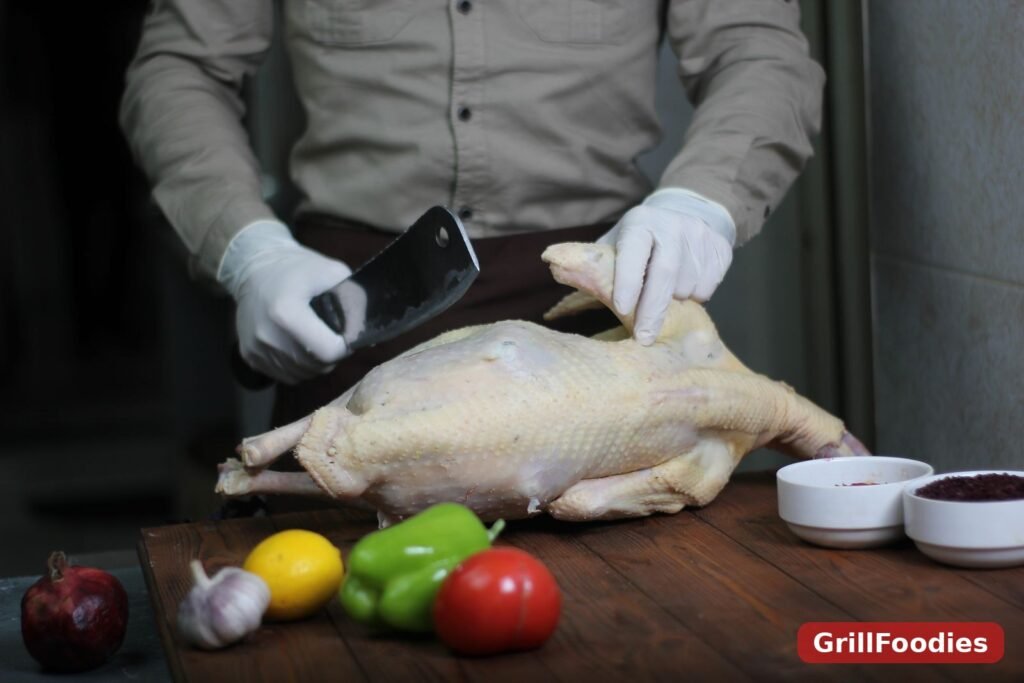
Add the chicken thighs to the bowl and turn them over several times, making sure each piece is coated on all sides. Use your hands for this, because you can work the marinade into the folds of the meat far better than a spoon can. Cover the bowl and leave it in the fridge for thirty minutes to four hours. If the chicken has been in the fridge, take it out twenty minutes before grilling so it is not ice cold when it hits the grate. Cold chicken cooks unevenly, and thighs are no exception.
- Heat the grill to medium-high, about 200°C, and set up two zones if possible: one hot side for searing and one cooler side for finishing. Clean the grates with a brush and oil them lightly using kitchen paper and tongs. This step matters more with a lemon marinade than with a dry rub, because the sugars in the marinade can stick if the grate is dirty.
- Lift the thighs out of the marinade and let the excess drip off. Do not wipe them dry, but do not carry a puddle of marinade onto the grill either, because it will drip, flare, and burn. Discard the leftover marinade. Never reuse marinade that has touched raw chicken unless you boil it first, and for this recipe there is no need to keep it.
- Place the thighs on the hot side of the grill, smooth side down, and close the lid. Cook for five to six minutes without moving them. They should develop golden-brown grill marks and release easily when you lift a corner with tongs. If a thigh sticks, give it another minute. Forcing it will tear the surface and lose you the colour you have just built.
- Turn the thighs and cook for another five to six minutes on the second side. If any pieces are colouring too quickly, move them to the cooler side to finish. Boneless thighs usually need twelve to fifteen minutes in total. Bone-in thighs need closer to twenty to twenty-five minutes, with more time on the cooler side.
- Check the temperature in the thickest part of the largest thigh. You are looking for 74°C, the safe temperature for chicken set out in the USDA food safety guidance for chicken. Thighs can safely go a few degrees higher without drying out, so if you prefer them at 77 to 80°C for a more tender, fall-apart texture, that is fine too. The extra fat keeps them juicy.
- Move the chicken to a clean plate and rest it for five minutes. This is not optional, even for thighs. Resting lets the juices settle and makes the chicken easier to slice. Tent loosely with foil if you like, but leave a gap for steam to escape so the surface stays crisp rather than soggy.
- Scatter over the chopped parsley, squeeze over a little extra lemon juice if you like, and serve with lemon wedges. The fresh lemon at the end wakes the whole dish up, so do not skip it, even if the chicken already tastes lemony from the marinade.
If you are grilling on a grill pan indoors, heat it over medium-high heat and cook the thighs in batches so you do not crowd the pan. Crowding drops the temperature and the chicken steams instead of searing, which is how you lose the grill marks and the colour. Wipe the pan between batches if the marinade starts to burn, and open a window, because garlic and lemon will fill the kitchen with smoke in the best possible way.
Tips for Bright, Juicy Lemon Garlic Thighs
The most important tip is about time in the marinade. Lemon juice is acidic, and acid changes the texture of raw chicken if it sits too long. Thirty minutes to four hours is the window. Less than thirty minutes and the flavour stays mostly on the surface. More than six hours and the outside of the meat can turn pale and a little mushy. Set a timer if you are the sort of person who preps in the morning and forgets about it until evening. This is one recipe where longer is not better.
Use both lemon juice and zest, and zest the lemon before you juice it. It is almost impossible to zest a lemon once it has been squeezed, and the zest is where the real lemon perfume lives. A microplane grater is ideal, but the fine side of a box grater works too. Take only the yellow part, not the white pith underneath, which is bitter. One lemon gives you plenty of zest for eight thighs, so do not be shy with it.
Grate the garlic rather than chopping it. Finely grated garlic spreads evenly through the marinade and does not burn in little chunks on the grill the way chopped garlic can. If you only have a knife, mince it as finely as you can and press it with the flat of the blade to make a rough paste. Either way, fresh garlic is worth the effort here. It mellows beautifully on the grill and gives the chicken a warmth that garlic powder alone cannot match.
Do not be afraid of the grill marks. Dark, almost charred edges in places are a good thing, as long as they are not burnt all over. Those slightly caramelised spots are where the lemon, honey, and garlic have concentrated, and they are the most flavourful bites on the plate. If a thigh flares up, move it to the cooler side for a minute rather than pulling it off the grill altogether. A short move is usually enough to calm things down.
For more lemon chicken inspiration, the BBC Good Food chicken thigh recipe collection is a good place to browse different flavour combinations. It is a useful reminder that thighs are one of the most versatile cuts you can buy, and they reward simple, bold seasoning like this lemon and garlic marinade.
Serving Ideas
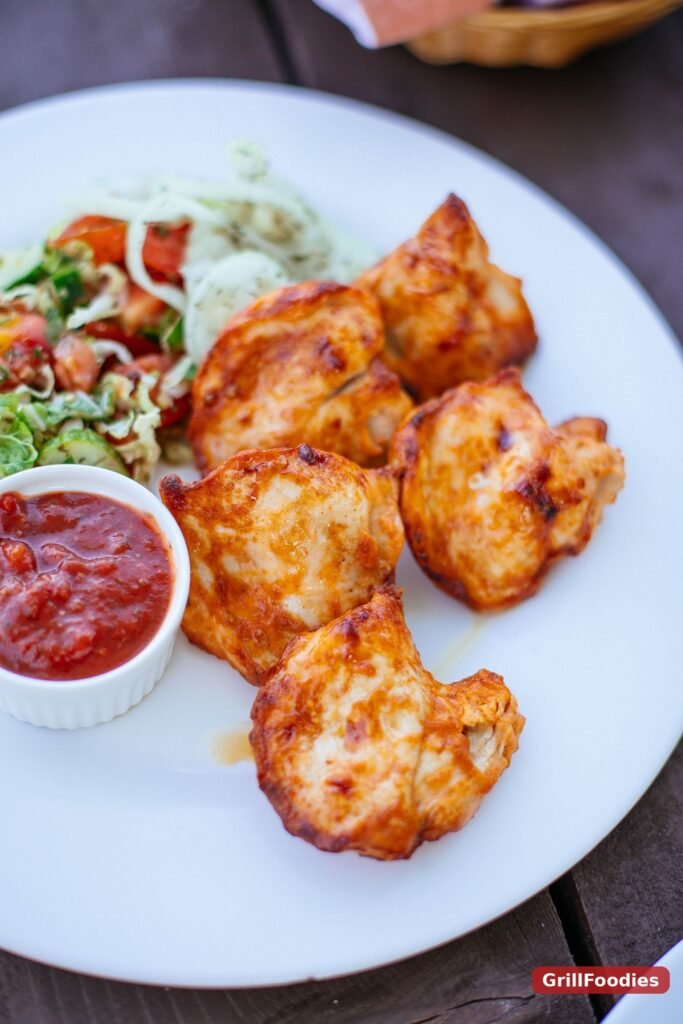
These thighs are wonderful with simple, fresh sides that let the lemon shine. A green salad with cucumber, tomatoes, and red onion, dressed with olive oil and lemon, is the easiest partner. Add some warm flatbreads or crusty bread to mop up the juices, and you have a complete meal that feels light but satisfying. For a heartier plate, serve the thighs with roasted potatoes, rice, or couscous, and a bowl of grilled vegetables on the side.
For a Mediterranean-style dinner, serve the sliced thighs over a bed of lemon rice with a spoonful of tzatziki, chopped tomatoes, and a little crumbled feta. The cool yoghurt sauce against the warm, garlicky chicken is a lovely contrast, and the whole plate comes together in minutes if you have the rice ready. For a weeknight shortcut, pile the chicken into warm wraps with shredded lettuce, sliced cucumber, and a garlic yoghurt sauce. It is quick, it is fresh, and children tend to love building their own wraps.
If you are planning a barbecue, these thighs sit happily alongside other grilled dishes. They pair well with grilled zucchini with parmesan, which adds a savoury, cheesy note to the plate, and they are excellent next to grilled chicken and rice dinner if you want a fuller spread. Put the thighs on a platter with lemon wedges and fresh parsley, and let people help themselves. The colour alone, golden chicken with green herbs and yellow lemon, makes the table look inviting.
Leftover thighs are just as useful as freshly grilled ones. Slice them cold into a grain bowl with quinoa, roasted vegetables, and a lemon dressing, or chop them into a pasta salad with cherry tomatoes, olives, and feta. They also make a brilliant sandwich filling with a little mayonnaise, lettuce, and tomato on toasted sourdough. Keep the leftovers in mind when you are deciding how many thighs to grill. Cooking a few extra rarely goes to waste.
Storage and Make-Ahead
Cool the cooked thighs completely, then store them in an airtight container in the fridge for three to four days. Store them whole rather than sliced to keep them juicier, and keep any lemon wedges separate so they do not make the chicken soggy. To reheat, warm them gently in a covered pan over low heat with a splash of water or stock, or in the microwave at half power for a minute or two. High heat will dry them out, so take your time.
You can freeze cooked thighs for up to three months. Wrap them individually in cling film, place them in a freezer bag, and label the bag with the date. Thaw overnight in the fridge and reheat gently. The texture holds up well because thighs have more fat than breast, so frozen leftovers are still genuinely good, not just acceptable. They are especially useful sliced into fried rice, pasta, or a quick stir-fry, where a sauce helps them along.
The marinade itself can be mixed a day ahead and kept in a sealed jar in the fridge. Add the chicken to it thirty minutes to four hours before you plan to grill, and you are ready to go. Do not add the chicken the night before, for the reason mentioned above. The lemon will do its work too well if left overnight. If you want to prep further ahead, freeze the raw thighs in the marinade for up to a month, then thaw overnight in the fridge. The marinating happens as they thaw, which is a neat trick for busy weeks.
Variations to Try
Swap the oregano and thyme for rosemary and a little sage if you want a woodier, more autumnal flavour. Rosemary is strong, so use half the amount and chop it finely. Add a teaspoon of smoked paprika for a smoky note, or a pinch of cumin for warmth. Both work well with lemon and garlic, and both turn this into a slightly different dish without changing the method at all.
For a creamy version, serve the grilled thighs with a quick lemon garlic yoghurt sauce made from Greek yoghurt, lemon zest, grated garlic, salt, and a drizzle of olive oil. It takes two minutes to stir together and it transforms the plate, especially with rice or flatbreads. For a spicy version, add a teaspoon of harissa paste or a finely chopped red chilli to the marinade. The heat sits nicely against the lemon and makes the chicken feel a little more grown-up.
If you prefer chicken breast to thighs, the same marinade works well on breast, though you will need to watch the cooking time more carefully. Pound the breasts to an even thickness, grill them for five to six minutes per side, and pull them at 74°C. Our grilled BBQ chicken breast with smoky rub uses a dry rub instead of a marinade, so the two recipes make a good pair if you want to offer both at a barbecue. For a skinless, leaner thigh option, our guide to grilled chicken thighs without skin covers the same cut with a different approach.
Frequently Asked Questions
How long should I marinate chicken thighs in lemon?
Thirty minutes to four hours is ideal. That is enough time for the lemon, garlic, and herbs to flavour the meat without the acid changing its texture. If you only have fifteen minutes, you will still get a good result, just a little less depth. Avoid marinating overnight in a lemon-based marinade, because the surface of the chicken can become soft and pale. If you need to prep the night before, keep the marinade separate and add the chicken in the morning.
Can I use bone-in chicken thighs for this recipe?
Yes, bone-in thighs work beautifully and they stay even juicier than boneless ones. Start them skin-side down over medium heat for eight to ten minutes to crisp the skin, then turn and finish on the cooler side for another ten to twelve minutes. The total time is usually twenty to twenty-five minutes. Check the temperature away from the bone and look for 74°C. The skin protects the meat, so bone-in thighs are more forgiving if your grill runs hot.
What temperature should grilled chicken thighs reach?
The safe minimum is 74°C in the thickest part, away from the bone if there is one. Thighs are forgiving, so cooking them to 77 to 80°C is also fine and many people prefer the more tender texture at that temperature. Use an instant-read thermometer for accuracy rather than guessing by time or colour. Rest the chicken for five minutes after grilling so the juices settle before you slice or serve it.
Can I cook these thighs in the oven instead?
Yes, heat the oven to 220°C, place the thighs on a lined baking tray, and roast for twenty to twenty-five minutes for boneless thighs, or thirty to thirty-five minutes for bone-in, until they reach 74°C. Turn them once halfway through. You will not get grill marks or the same smoky flavour, but the lemon garlic flavour will still be there. For a little colour at the end, switch the grill on for two to three minutes and watch closely so the garlic does not burn.
What should I serve with lemon garlic chicken thighs?
Keep it fresh and simple. A green salad, lemon rice, roasted potatoes, couscous, or grilled vegetables all work well. Warm flatbreads and a yoghurt sauce turn the thighs into a Mediterranean-style meal, while a chopped salad and crusty bread keep things light. Avoid heavy, creamy sides that will drown out the lemon. The chicken is bright and garlicky, so sides with a little acidity, like a tomato salad or a lemon-dressed green salad, complement it best.



2 Comments
Pingback:
Pingback: