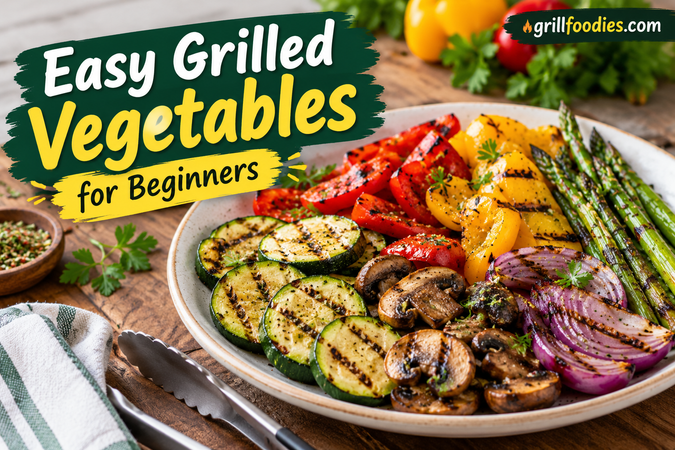
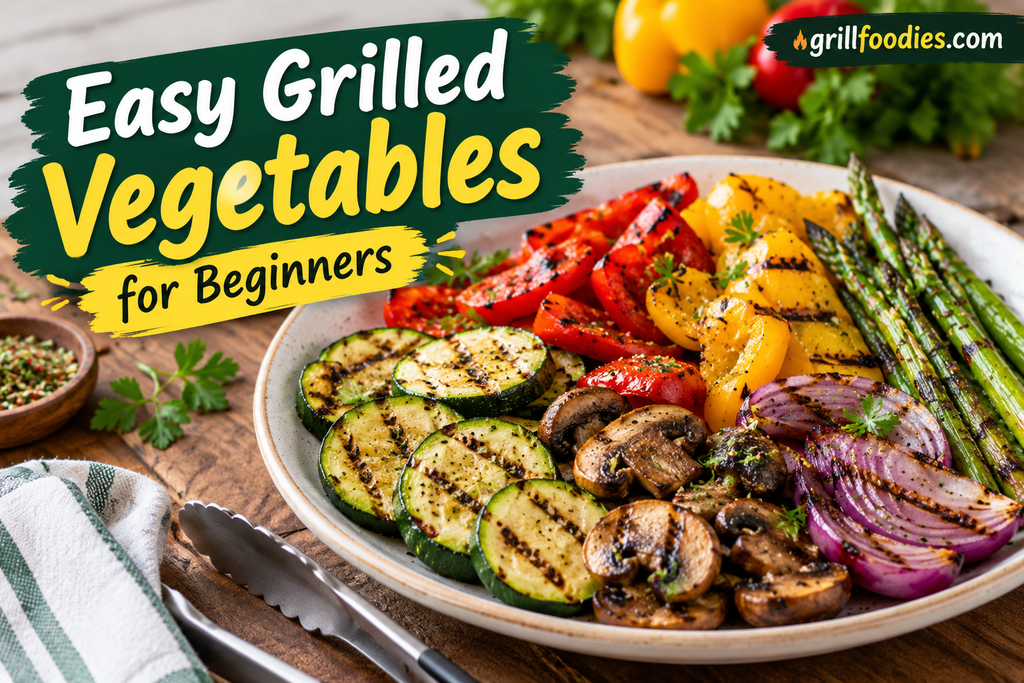
If you are new to grilling, vegetables are one of the easiest places to start. You do not need complicated marinades, special equipment, or advanced cooking skills to make delicious grilled vegetables. With a few fresh vegetables, a little oil, simple seasonings, and a hot grill, you can create a colorful side dish that tastes smoky, fresh, and satisfying.
This easy grilled vegetables for beginners recipe is designed for anyone who wants a simple way to learn how to grill vegetables without worrying about complicated techniques. The vegetables become lightly charred on the outside while staying tender and flavorful inside. You can serve them alongside grilled chicken, steak, fish, burgers, or even enjoy them as a light vegetarian meal.
The best part is that you can use whatever vegetables you already have. Zucchini, bell peppers, onions, mushrooms, corn, asparagus, and eggplant all work beautifully on the grill.
Why These Grilled Vegetables Are Perfect for Beginners
Grilling vegetables may sound intimidating if you have never done it before, but it is actually quite forgiving. Unlike some meats, vegetables do not require precise temperatures or complicated preparation.
This recipe is beginner-friendly because:
- The ingredients are simple and easy to find.
- Preparation takes only a few minutes.
- You need just basic seasonings.
- You can use a gas grill, charcoal grill, or indoor grill pan.
- The vegetables cook quickly.
- Slightly uneven pieces are not a disaster.
- You can easily adjust the seasonings to your taste.
Once you learn the basic method, you can grill almost any vegetable with confidence.
Best Vegetables for Grilling
Choosing the right vegetables is the first step toward successful grilled vegetables. For beginners, it is best to start with vegetables that are sturdy and easy to handle.
Zucchini
Zucchini is one of the easiest vegetables to grill. Cut it lengthwise into thick slices or into large rounds. Thin pieces can become soft too quickly, so thicker slices are easier for beginners to manage.
Bell Peppers
Bell peppers become sweet and slightly smoky when grilled. Red, yellow, orange, and green peppers all work well. Cut them into large pieces so they are less likely to fall through the grill grates.
Red Onion
Grilled red onion develops a delicious sweet flavor. Cut the onion into thick rounds or wedges and keep the layers together as much as possible.
Mushrooms
Large mushrooms are excellent for grilling because they become juicy and flavorful. Portobello mushrooms are particularly easy to grill because their large size makes them simple to turn.
Corn
Corn on the cob is a classic grilled vegetable. It can be grilled directly on the grates until the kernels develop small charred spots.
Asparagus
Asparagus cooks quickly and develops a pleasant smoky flavor. Use thicker asparagus spears when possible because very thin spears can become overcooked.
Eggplant
Eggplant absorbs seasoning beautifully and develops a soft, creamy texture when grilled. Cut it into thick slices so it holds together during cooking.
Simple Ingredients
You do not need a long ingredient list for easy grilled vegetables.
For about 4 servings, you can use:
- 1 zucchini
- 1 red bell pepper
- 1 yellow bell pepper
- 1 small red onion
- 8 ounces mushrooms
- 1 tablespoon olive oil
- 1 teaspoon garlic powder
- 1/2 teaspoon salt
- 1/2 teaspoon black pepper
- 1/2 teaspoon dried Italian seasoning
- 1 tablespoon fresh lemon juice
You can easily change the vegetable combination depending on what you have available.
If you want to keep things extremely simple, olive oil, salt, and black pepper are enough. The grill itself adds plenty of flavor.
How to Prepare Vegetables for Grilling
Before turning on the grill, wash the vegetables thoroughly and dry them. Removing excess water is helpful because wet vegetables can steam instead of developing those desirable grilled marks.
Cut the vegetables into pieces that are large enough to handle easily.
Zucchini can be cut into thick slices or long strips. Bell peppers can be cut into large squares. Mushrooms can remain whole if they are small or be cut in half if they are large. Onions should be cut into thick wedges or rounds.
Try to keep pieces of similar vegetables approximately the same size. This helps them cook more evenly.
Do not cut everything extremely thin. Thick pieces are much easier for beginners because they give you more time to control the cooking process.
Simple Seasoning for Grilled Vegetables
Place your prepared vegetables in a large bowl. Add olive oil, garlic powder, salt, black pepper, and Italian seasoning.
Gently toss everything until the vegetables are lightly coated.
You do not need to drown the vegetables in oil. A small amount is enough to help prevent sticking and encourage browning.
For extra freshness, squeeze lemon juice over the vegetables after grilling rather than adding too much before cooking. Fresh lemon at the end can brighten the smoky flavor.
How to Grill Vegetables for Beginners
Start by preheating your grill to medium-high heat. Give the grill several minutes to become properly hot before adding the vegetables.
A hot cooking surface helps create attractive grill marks and prevents the vegetables from sitting on the grill too long.
Place the larger and firmer vegetables on the grill first. Depending on their size, zucchini, peppers, onions, and mushrooms generally need several minutes per side.
Avoid constantly moving the vegetables around. Let them sit on the grill long enough to develop color.
When you see grill marks and the vegetables begin to soften, turn them using tongs.
Cook the second side until tender and lightly charred.
Remember that grilling times are not exact. Different grills produce different amounts of heat, and vegetables vary in size and thickness. Instead of relying only on a timer, look at the vegetables and check their texture.
How Long Should You Grill Vegetables?
Cooking time depends on the vegetable and how thickly it is cut.
A general guide is:
- Zucchini: about 3–5 minutes per side
- Bell peppers: about 4–6 minutes per side
- Red onion: about 4–6 minutes per side
- Mushrooms: about 4–6 minutes per side
- Asparagus: about 3–5 minutes total
- Eggplant: about 4–6 minutes per side
- Corn: about 10–15 minutes, turning regularly
These are general estimates rather than strict rules.
The vegetables are ready when they have visible grill marks and are tender enough to eat but not falling apart.
The Biggest Beginner Mistake: Cutting Everything the Same Way
One common mistake is assuming every vegetable should be prepared identically.
Vegetables have different textures and cooking times. A thick onion wedge takes longer than a thin asparagus spear. A large mushroom needs more time than a small slice of zucchini.
Instead of trying to make every piece identical, group vegetables according to their cooking time.
Put firm vegetables on the grill first and quicker-cooking vegetables on later.
This simple technique makes a noticeable difference.
How to Prevent Vegetables From Sticking
Clean grill grates are important when grilling vegetables. If your grill grates have a lot of old food residue, vegetables can stick more easily.
Preheat the grill and clean the grates with an appropriate grill brush or cleaning method recommended for your grill.
Lightly coating the vegetables with oil can also help. Avoid using excessive oil because dripping oil can cause flare-ups on some grills.
Use a pair of tongs to turn the vegetables instead of a fork. Tongs give you better control and help prevent delicate vegetables from breaking.
How to Get Beautiful Grill Marks
If you want restaurant-style grill marks, the key is patience.
Place the vegetables on a hot grill and allow them to cook without constantly turning them.
After a few minutes, gently lift one piece. If it has developed dark golden or brown grill marks, it is usually ready to turn.
Do not worry if your vegetables do not look perfect. Grilling is about flavor as much as appearance, and a little extra browning can make vegetables taste delicious.
Easy Grilled Vegetables Without a Grill Basket
A grill basket is useful for small vegetables, but you do not need one to make this recipe.
For larger pieces such as zucchini, peppers, onion, and mushrooms, place them directly on the grill grates.
If you are grilling smaller vegetables, such as chopped green beans or cherry tomatoes, you can use a grill-safe pan or basket.
Beginners may find larger pieces easier to work with because they are less likely to fall between the grates.
Can You Make Grilled Vegetables on a Grill Pan?
Absolutely. If you do not have an outdoor grill, an indoor grill pan can work very well.
Heat the grill pan over medium-high heat. Lightly oil the prepared vegetables and place them in the hot pan.
Cook them in batches rather than overcrowding the pan. Overcrowding can cause the vegetables to release moisture and steam instead of developing good browning.
Turn the vegetables once they have developed grill marks.
The flavor will be slightly different from outdoor grilling, but the result can still be delicious.
Flavor Variations
Once you are comfortable with basic grilled vegetables, you can experiment with different flavors.
Garlic Herb Vegetables
Add minced garlic or garlic powder with dried oregano, basil, and parsley.
Lemon Pepper Vegetables
Season with black pepper and finish with plenty of fresh lemon juice.
Spicy Grilled Vegetables
Add a small amount of crushed red pepper flakes or chili powder.
Mediterranean-Style Vegetables
Use oregano, garlic, lemon juice, and a little olive oil. Finish with fresh parsley if available.
Smoky Vegetables
Add a small amount of smoked paprika to your seasoning mixture for extra smoky flavor.
What to Serve With Grilled Vegetables
Easy grilled vegetables are incredibly versatile.
Serve them with grilled chicken for a simple dinner, or pair them with grilled fish for a lighter meal. They are also delicious alongside steak, burgers, sausages, or roasted potatoes.
You can also turn grilled vegetables into a complete vegetarian meal by serving them with rice, couscous, quinoa, pasta, or crusty bread.
Another easy option is to place the grilled vegetables inside wraps or sandwiches with hummus, cheese, or a simple yogurt sauce.
How to Store Leftover Grilled Vegetables
If you have leftovers, allow the vegetables to cool before placing them in an airtight container.
Store them in the refrigerator and use them within a few days.
Leftover grilled vegetables can be reheated in a skillet, oven, or microwave. They can also be eaten cold or at room temperature.
Try adding leftover vegetables to scrambled eggs, omelets, pasta, rice bowls, sandwiches, salads, or wraps.
They are especially useful for quick lunches because most of the cooking is already done.
Tips for Perfect Grilled Vegetables Every Time
A few simple habits can make your results much better.
Do not overcrowd the grill. Give the vegetables enough space for heat to circulate.
Preheat the grill. A properly heated grill helps create better browning.
Use medium-high heat. Extremely high heat can burn the outside before the vegetables become tender.
Cut vegetables into manageable pieces. Large pieces are easier for beginners to turn.
Do not over-oil. A light coating is usually enough.
Use tongs. They provide better control than a fork.
Watch the vegetables closely. Cooking times vary depending on thickness and grill temperature.
Finish with lemon juice. A little acidity can make grilled vegetables taste fresher and brighter.
Frequently Asked Questions
What are the easiest vegetables to grill for beginners?
Zucchini, bell peppers, mushrooms, onions, and corn are excellent choices for beginners. They are sturdy, easy to prepare, and relatively forgiving if they cook for an extra minute or two.
Do I need to boil vegetables before grilling?
Usually, no. Most vegetables can go directly onto the grill. Very dense vegetables may benefit from partial cooking, but beginners can start with vegetables such as zucchini, peppers, mushrooms, onions, and asparagus.
Should I put oil on vegetables before grilling?
Yes. A light coating of oil can help with browning and reduce sticking. You only need enough to lightly coat the vegetables.
Can I grill frozen vegetables?
Fresh vegetables are generally easier to grill directly because they have a firmer texture. Frozen vegetables contain additional moisture, which can make browning more difficult. If using frozen vegetables, thaw and drain them well before grilling.
Why are my grilled vegetables soggy?
Soggy vegetables can result from overcrowding, excessive oil, low grill temperature, or cooking vegetables that contain a lot of moisture for too long. Use a hot grill and leave enough space between pieces.
How do I know when grilled vegetables are done?
They should have visible grill marks and be tender when pierced with a fork. They should not necessarily be completely soft. A little firmness gives grilled vegetables a better texture.
Can I make grilled vegetables without oil?
Yes. Vegetables can be grilled without oil, although they may stick more easily and may not brown in exactly the same way. Using a clean, well-heated grill can help.
Final Thoughts
Making easy grilled vegetables for beginners does not have to be complicated. Start with a few sturdy vegetables, cut them into manageable pieces, lightly season them, and place them on a properly heated grill.
The most important thing is not to worry about making every piece perfect. Grilling is something you improve through practice. After making vegetables a few times, you will naturally learn how your grill behaves and how quickly different vegetables cook.
A simple combination of zucchini, bell peppers, mushrooms, and red onion is a great place to begin. Add olive oil, garlic, salt, and pepper, then finish everything with fresh lemon juice.
Once you become comfortable with the basic method, experiment with different vegetables and seasonings. Before long, grilled vegetables can become one of the easiest side dishes in your cooking routine.
Whether you are preparing a weeknight dinner, a weekend barbecue, or a simple vegetarian meal, these beginner-friendly grilled vegetables are an easy way to add color, flavor, and variety to your plate.