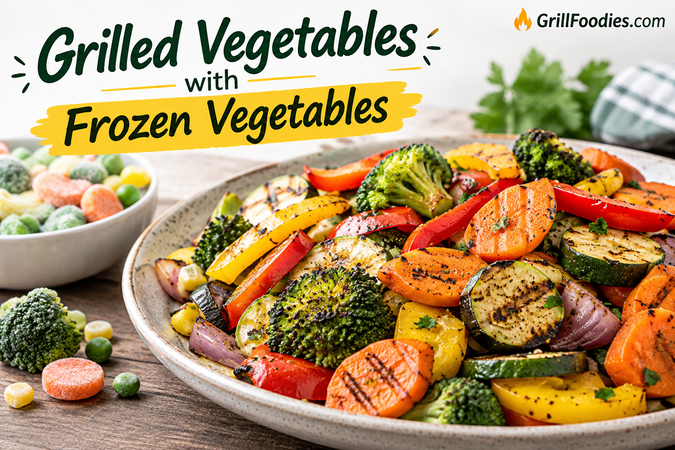
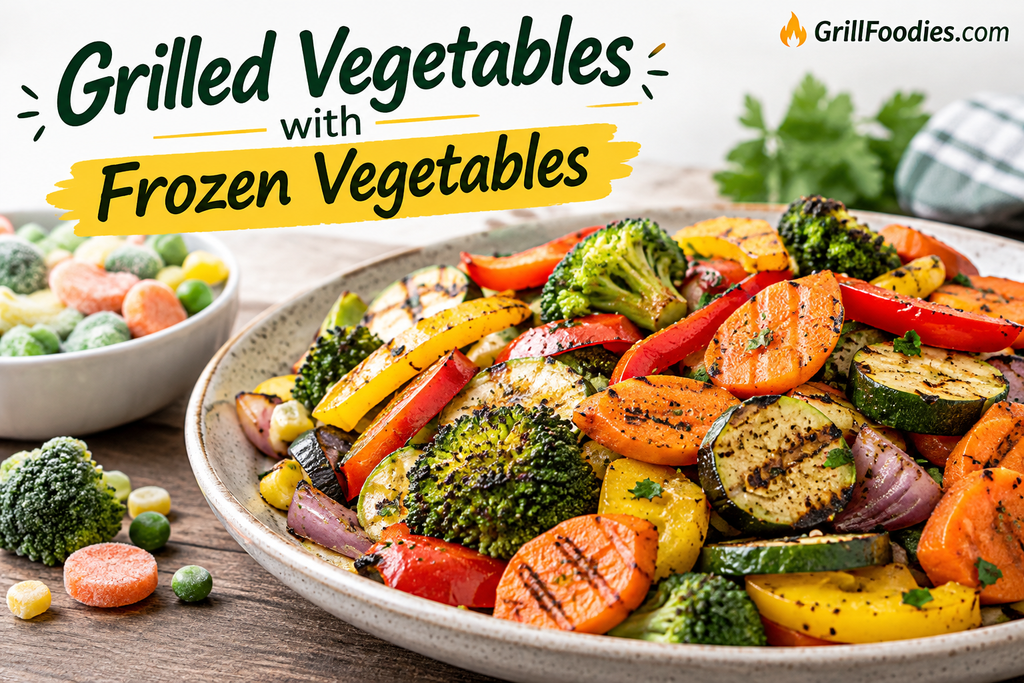
If you want an easy vegetable side dish without spending a lot of time chopping and prepping, grilled vegetables with frozen vegetables are a great option. Frozen vegetables are convenient, affordable, and easy to keep on hand. With the right cooking method, they can turn into tender, flavorful vegetables with lightly charred edges and plenty of delicious grilled flavor.
You do not need to wait for fresh vegetables to be available. A bag of frozen mixed vegetables can become a quick side dish for chicken, steak, burgers, fish, rice, or pasta. The key is controlling moisture so the vegetables roast and grill instead of becoming soft and watery.
This recipe is especially useful on busy weeknights. You can take frozen vegetables straight from the freezer, season them with a few pantry staples, and cook them until they develop browned edges. The result is simple, colorful, and satisfying.
Why Make Grilled Vegetables With Frozen Vegetables?
Fresh vegetables are wonderful, but frozen vegetables have several advantages. They are already washed, cut, and ready to cook, which makes them perfect when you need dinner on the table quickly.
Frozen vegetables also have a long freezer life. You can keep a few bags available and make a vegetable side dish whenever you need one.
Another benefit is flexibility. You can use frozen broccoli, cauliflower, green beans, carrots, corn, bell peppers, peas, or a frozen mixed vegetable blend.
The most important thing is choosing vegetables that can handle high heat. Some frozen vegetables release more water than others, so spreading them out and cooking them over sufficiently high heat helps them brown properly.
Ingredients You Need
One of the best things about this recipe is that the ingredient list is simple.
Frozen Vegetables
Use about 4 cups of your favorite frozen vegetables. A mixed vegetable blend works especially well.
Good choices include:
- Frozen broccoli
- Frozen cauliflower
- Frozen green beans
- Frozen carrots
- Frozen bell peppers
- Frozen corn
- Frozen zucchini
- Frozen Brussels sprouts
- Frozen mixed vegetables
You can use one vegetable or combine several varieties.
Oil
A small amount of olive oil helps the vegetables brown and prevents them from sticking. You can also use avocado oil or another cooking oil that works well with high heat.
Seasonings
Keep the seasoning simple with:
- Salt
- Black pepper
- Garlic powder
- Onion powder
- Paprika
You can adjust the seasonings according to your taste.
Optional Additions
For extra flavor, try:
- Lemon juice
- Lemon zest
- Italian seasoning
- Red pepper flakes
- Parmesan cheese
- Fresh parsley
- Grated garlic
- A little butter
- Balsamic glaze
You do not need all of these. Even salt, pepper, garlic powder, and paprika can make frozen vegetables taste surprisingly good.
Do You Need to Thaw Frozen Vegetables First?
Usually, you do not need to completely thaw frozen vegetables before grilling them.
In fact, cooking them directly from frozen can be more convenient. However, frozen vegetables contain extra moisture, and that moisture can make it harder to achieve browned edges.
If your vegetables are covered in a lot of ice, you can quickly rinse them under cold water and drain them very well. Patting them dry with a clean kitchen towel can also help.
For vegetables that release a lot of water, briefly thawing and draining them may improve the final texture.
The goal is not necessarily to remove every drop of moisture. You simply want to avoid putting a large amount of ice and water onto the cooking surface.
How to Grill Frozen Vegetables
Start by preheating your grill or grill pan. A hot cooking surface is important because it helps the vegetables brown instead of slowly steaming.
Place the frozen vegetables in a bowl and add a small amount of oil. Toss until they are lightly coated.
Add your seasonings and toss again.
If you are using a grill basket, transfer the vegetables into the basket and spread them out as much as possible.
Cook the vegetables over medium-high to high heat, stirring or turning them occasionally. Avoid constantly moving them because they need contact with the hot surface to develop browned spots.
The exact cooking time depends on the vegetables you use, but many frozen vegetable combinations take approximately 10 to 20 minutes.
Keep an eye on smaller vegetables because they can cook faster than larger pieces.
Using a Grill Basket
A grill basket is one of the easiest ways to make grilled vegetables with frozen vegetables.
Small pieces of vegetables can easily fall through grill grates. A grill basket prevents this while allowing heat and smoke to reach the vegetables.
Preheat the basket along with the grill if possible. Then add the seasoned vegetables.
Spread them into a relatively even layer. If the basket is overcrowded, the vegetables may steam rather than brown.
Stir them every few minutes so different sides can contact the hot surface.
Once the vegetables have softened and developed some golden-brown or lightly charred areas, they are ready.
Using a Grill Pan
If you do not have an outdoor grill, a grill pan can work beautifully.
Heat the grill pan over medium-high heat. Add the seasoned vegetables in a single layer.
Depending on the size of your pan, you may need to cook the vegetables in batches. This is especially important with frozen vegetables because they can release quite a bit of moisture.
Cook until the vegetables are tender and have visible grill marks or browned spots.
A cast-iron grill pan is particularly useful because it retains heat well.
How to Prevent Frozen Vegetables From Becoming Soggy
This is probably the biggest challenge when cooking frozen vegetables.
The good news is that a few simple techniques can make a major difference.
Preheat Properly
Do not put frozen vegetables onto a cold grill or pan. Give the cooking surface enough time to become hot.
Avoid Overcrowding
This is one of the most important tips. When too many vegetables are packed together, the moisture has nowhere to escape.
Instead of browning, they can steam in their own moisture.
Drain Excess Water
If the vegetables have accumulated ice, drain them before seasoning.
Use Enough Heat
Medium-high or high heat helps moisture evaporate more quickly.
Do Not Stir Constantly
It can be tempting to keep moving the vegetables, but frequent stirring prevents them from developing browned surfaces.
Let them sit for a few minutes before turning.
Best Frozen Vegetables for Grilling
Not every frozen vegetable behaves exactly the same way.
Frozen Broccoli
Frozen broccoli is excellent for grilling. It develops browned edges while becoming tender in the center.
Frozen Cauliflower
Cauliflower handles high heat well and can develop a delicious roasted flavor.
Frozen Green Beans
Green beans become slightly blistered and flavorful when cooked over high heat.
Frozen Corn
Corn develops sweet, browned spots when grilled. It is particularly good with paprika, black pepper, and a squeeze of lime or lemon.
Frozen Bell Peppers
Bell peppers become sweet and slightly charred. They work well in mixed vegetable combinations.
Frozen Carrots
Carrots may take slightly longer to become tender, especially if the pieces are large.
Frozen Brussels Sprouts
Halved frozen Brussels sprouts can become beautifully browned and caramelized when cooked properly.
Easy Seasoning Ideas
You can change the flavor of your grilled vegetables simply by changing the seasoning.
Garlic Herb Vegetables
Use garlic powder, onion powder, black pepper, Italian seasoning, and olive oil.
Finish with fresh parsley and a little lemon juice.
Smoky Grilled Vegetables
For a smoky flavor, use paprika, garlic powder, black pepper, and a pinch of chili powder.
Lemon Pepper Vegetables
Season with lemon pepper and garlic powder. After cooking, add fresh lemon juice.
Spicy Grilled Vegetables
Add red pepper flakes, paprika, black pepper, and a small amount of chili powder.
Parmesan Vegetables
After grilling, sprinkle the vegetables with freshly grated Parmesan cheese.
The heat from the vegetables will soften the cheese slightly.
Can You Grill Frozen Vegetables Without Oil?
Yes, you can cook frozen vegetables without oil, although oil helps with browning and adds flavor.
If you want an oil-free version, use a well-preheated grill basket or nonstick grill pan.
Season the vegetables with herbs and spices before cooking. Once they are tender, add lemon juice or vinegar for extra flavor.
Oil-free vegetables may not become quite as deeply browned, but they can still be delicious.
How to Tell When the Vegetables Are Done
Frozen vegetables should be tender but not completely mushy.
Look for lightly browned or charred edges. Broccoli and cauliflower should be easy to pierce with a fork, while green beans should be tender with some texture remaining.
Corn should look heated through and may have browned spots.
If the vegetables are still firm after the outside has browned, reduce the heat slightly and continue cooking until they reach the texture you prefer.
What to Serve With Grilled Frozen Vegetables
These vegetables are incredibly versatile.
Serve them alongside grilled chicken for an easy dinner. They also pair well with steak, pork chops, fish, shrimp, burgers, or sausages.
For a vegetarian meal, serve them over cooked rice, quinoa, couscous, or pasta.
You can also add grilled vegetables to:
- Rice bowls
- Wraps
- Tacos
- Salads
- Pasta dishes
- Grain bowls
- Omelets
- Frittatas
Leftover grilled vegetables can become part of another meal instead of going to waste.
Grilled Vegetable Rice Bowl
One simple way to turn this side dish into a complete meal is to make a rice bowl.
Start with cooked rice. Add a generous serving of grilled frozen vegetables.
Then add your favorite protein, such as grilled chicken, beans, chickpeas, eggs, or tofu.
Finish with lemon juice, yogurt sauce, hot sauce, or your favorite dressing.
It is an easy meal that requires very little preparation.
Tips for Better Grilled Frozen Vegetables
A few small details can make this recipe much better.
Use a hot grill. A properly preheated surface encourages browning.
Do not overload the grill basket. Work in batches if necessary.
Season after adding oil. The seasonings stick better when the vegetables are lightly coated.
Give the vegetables space. Airflow and heat help excess moisture escape.
Use a grill basket for small pieces. This prevents vegetables from falling through the grates.
Watch smaller vegetables carefully. They can cook much faster than large pieces.
Finish with something fresh. Lemon juice, fresh herbs, or a little grated Parmesan can brighten the flavor.
Can You Make Grilled Vegetables Ahead of Time?
Yes. Grilled vegetables can be prepared ahead of time and stored in the refrigerator.
Allow them to cool before transferring them to an airtight container.
They can be reheated in a skillet, grill pan, oven, or air fryer.
For the best texture, avoid reheating them for too long. You want them hot without turning them soft.
Leftovers can also be eaten cold or at room temperature in salads and wraps.
How to Store Leftover Grilled Vegetables
Place cooled vegetables in an airtight container and refrigerate them.
For the best quality, use them within a few days.
When reheating, a hot skillet works particularly well because it can bring back some of the browned texture.
Avoid adding lots of water when reheating. The vegetables already contain moisture, and extra liquid can make them soggy.
Common Mistakes to Avoid
Making grilled vegetables from frozen vegetables is simple, but there are a few mistakes that can affect the result.
Starting With a Cold Grill
A cold cooking surface causes the vegetables to release moisture before they begin browning.
Using Too Much Oil
You only need enough oil to lightly coat the vegetables. Excess oil can make them greasy.
Overcrowding the Pan
Too many vegetables at once create steam. If necessary, cook them in smaller batches.
Adding Too Many Wet Ingredients
Sauces should generally be added near the end. Adding a lot of liquid at the beginning can interfere with browning.
Stirring Too Often
Allow the vegetables to sit against the hot surface long enough to develop color.
Frequently Asked Questions
Can I grill vegetables directly from frozen?
Yes. Many frozen vegetables can go directly onto a preheated grill or grill basket. Removing excess ice and water first can help them brown better.
What frozen vegetables are best for grilling?
Broccoli, cauliflower, green beans, corn, bell peppers, carrots, and Brussels sprouts are all good choices.
How long do frozen vegetables take to grill?
Most frozen vegetable combinations take around 10 to 20 minutes, depending on their size, type, cooking temperature, and desired texture.
Should I thaw frozen vegetables before grilling?
You do not necessarily need to. Cooking directly from frozen is convenient, but draining excess ice and moisture can improve browning.
Can I make grilled frozen vegetables without a grill?
Absolutely. A grill pan or heavy skillet can produce excellent results indoors.
How do I keep frozen vegetables from getting soggy?
Use high heat, avoid overcrowding, drain excess moisture, and do not stir constantly.
Final Thoughts
Grilled vegetables with frozen vegetables are proof that convenient ingredients can still make a flavorful homemade side dish. You do not need a refrigerator full of fresh produce or a complicated recipe. A bag of frozen vegetables, a little oil, and a few simple seasonings are enough to create something delicious.
The secret is controlling moisture and giving the vegetables enough heat and space to brown. Once you understand that technique, you can experiment with different vegetable combinations and seasonings.
Whether you are preparing a quick weeknight dinner, a backyard barbecue, or simply looking for an easy way to eat more vegetables, this recipe is worth keeping in your regular rotation. It is affordable, flexible, easy to customize, and requires very little preparation.
Next time you have a bag of frozen vegetables in the freezer, skip the usual steaming method and try grilling them instead. With crispy browned edges, tender centers, and plenty of seasoning, frozen vegetables can become a side dish that tastes much more special than the effort required to make it.